
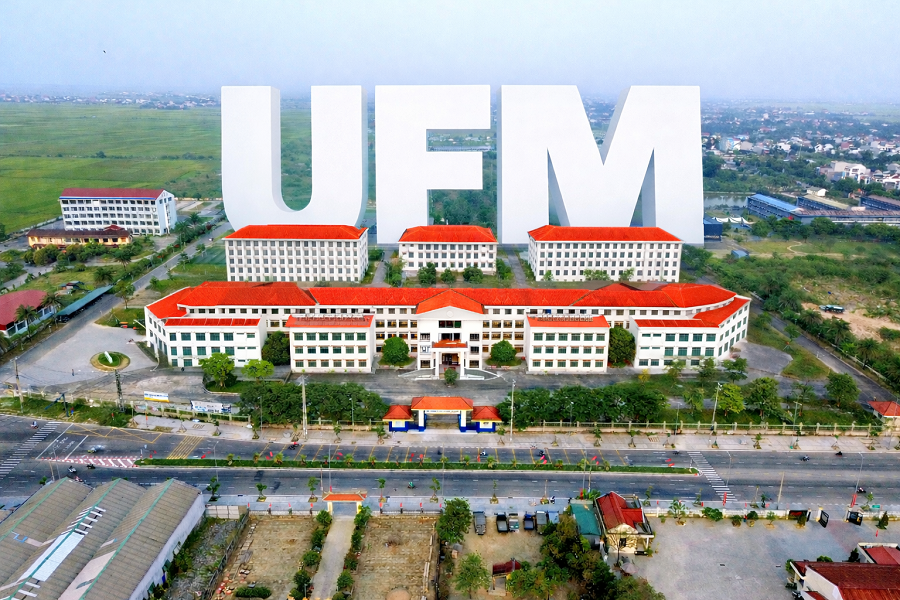
BrightUFM forms campus in Hue City
On April 13, 2026, the Ministry of Education and Training issued Decision No. 866/QĐ-BGDĐT on the establishment of a branch campus of UFM in Huế City. This marks an important milestone in the University’s strategy to expand its training network, while affirming a new stage of development for UFM in its efforts to enhance training capacity and meet the demand for high-quality human resources in the Central region and across the country
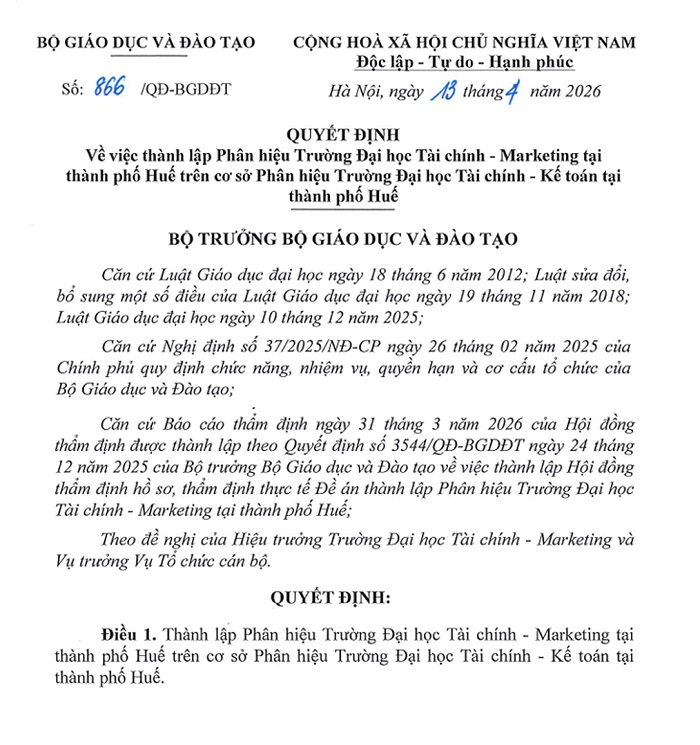
UFM’s branch campus in Huế is established on the basis of inheriting the existing branch of the University of Finance – Accounting in Huế City. At the same time, UFM and the University of Finance – Accounting will coordinate with relevant agencies to carry out the comprehensive transfer and handover of personnel, students, finances, facilities, equipment, and documentation, ensuring that the transition process is implemented in a synchronized, rigorous, and effective manner.
The official establishment of the Huế branch campus not only expands UFM’s training scale but also creates favorable conditions for learners in the Central region to access a high-quality, modern, and internationally oriented higher education environment. Located at 284 Phạm Văn Đồng Street, Mỹ Thượng Ward, on an area of more than 10 hectares, the campus is equipped with a relatively comprehensive system of lecture halls, learning spaces, and functional facilities, gradually forming a dynamic, modern, and practice-oriented learning environment.
In its initial phase, the UFM Huế branch campus will enroll students in key disciplines such as Finance – Banking, Business Administration, Accounting, International Business, and Economic Law. Notably, flexible training models with pathways such as 1+3, 2+2, 3+1, and 4+0 offer diverse options for learners, enabling students to study in Huế, continue their experience at the main campus in Ho Chi Minh City, or complete the entire program locally.
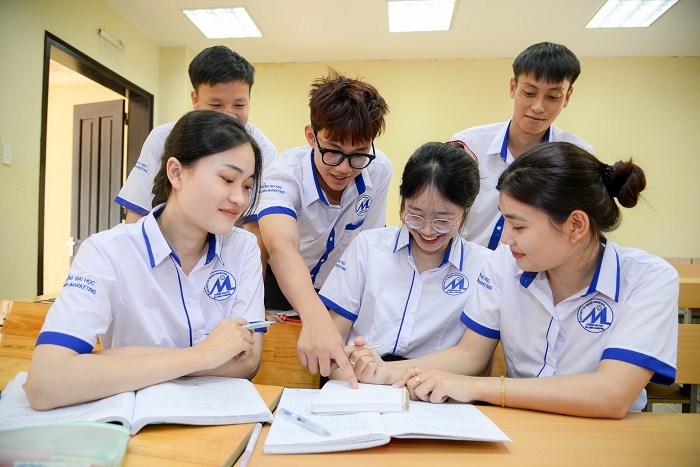
The presence of UFM in Huế is expected not only to contribute to improving the quality of human resource training in the Central region but also to open a new phase of development for the University in its strategy to expand its reach, spread educational values, and accompany local socio-economic development.


Hong Quan, Thanh Nam